
By using this site, you agree to the Privacy Policy and Terms of Use.
Accept
Ashui.comAshui.comAshui.com
  • Home
    • Bookmarks
    • English
      • News
      • Projects
      • Products
    • Ashui Awards
    • Giới thiệu
    • Quảng cáo / PR
    • Liên hệ
  • Tin tức / Sự kiện
    • Tin trong nước
    • Tin thế giới
    • Sự kiện
    Tin tức / Sự kiệnĐọc tiếp
    TP.HCM bổ sung 5 tuyến metro, tăng cường kết nối với sân bay Long Thành
    Báo Xây dựng 27/12/2025
    Khẩn trương phê duyệt Quy hoạch tổng thể Thủ đô Hà Nội
    Tạp chí Xây dựng 26/12/2025
    Phát triển đô thị xanh, phát thải thấp cho các mục tiêu tăng trưởng xanh, Net Zero
    VnEconomy 25/12/2025
    Lan tỏa tinh thần sáng tạo tại Hội trại Sáng tạo Kiến trúc và Nghệ thuật lần thứ 3
    Ashui.com 23/12/2025
    Huế phát triển đô thị thông minh gắn với quy hoạch và di sản
    Báo Xây dựng 23/12/2025
  • Chuyên mục
    • Kiến trúc
    • Nội – ngoại thất
    • Quy hoạch đô thị
    • Bất động sản
    • Năng lượng – Môi trường
    • Phong thủy
  • Công nghệ
    • Công nghệ mới
    • Giải pháp
    • Xu hướng
    • Ứng dụng
  • Vật liệu / Thiết bị
    • Vật liệu xây dựng
    • Trang thiết bị
    • Trang trí nội ngoại thất
    • Thị trường
  • Dự án
    • Giới thiệu dự án
    • Tư vấn thiết kế
    • Kinh tế / Pháp luật
  • Tương tác
    • Chuyên đề
    • Góc nhìn
    • Phản biện
    • Đối thoại
    • Q&A
    • Điểm đến
    • Nhìn ra thế giới
  • Cộng đồng
    • Kiến trúc sư
    • Kỹ sư
    • Thiết kế / Sáng tạo
    • Sinh viên
    • Tuyển dụng
    • Ashui Awards Tour
    • CLB Điện ảnh Kiến trúc
    • CLB Kiến trúc Xanh TPHCM
Font ResizerAa
Ashui.comAshui.com
Font ResizerAa
  • Home
  • Tin tức / Sự kiện
  • Chuyên mục
  • Công nghệ
  • Vật liệu / Thiết bị
  • Dự án
  • Tương tác
  • Cộng đồng
  • Home
    • Bookmarks
    • English
    • Ashui Awards
    • Giới thiệu
    • Quảng cáo / PR
    • Liên hệ
  • Tin tức / Sự kiện
    • Tin trong nước
    • Tin thế giới
    • Sự kiện
  • Chuyên mục
    • Kiến trúc
    • Nội – ngoại thất
    • Quy hoạch đô thị
    • Bất động sản
    • Năng lượng – Môi trường
    • Phong thủy
  • Công nghệ
    • Công nghệ mới
    • Giải pháp
    • Xu hướng
    • Ứng dụng
  • Vật liệu / Thiết bị
    • Vật liệu xây dựng
    • Trang thiết bị
    • Trang trí nội ngoại thất
    • Thị trường
  • Dự án
    • Giới thiệu dự án
    • Tư vấn thiết kế
    • Kinh tế / Pháp luật
  • Tương tác
    • Chuyên đề
    • Góc nhìn
    • Phản biện
    • Đối thoại
    • Q&A
    • Điểm đến
    • Nhìn ra thế giới
  • Cộng đồng
    • Kiến trúc sư
    • Kỹ sư
    • Thiết kế / Sáng tạo
    • Sinh viên
    • Tuyển dụng
    • Ashui Awards Tour
    • CLB Điện ảnh Kiến trúc
    • CLB Kiến trúc Xanh TPHCM
Các kênh mạng xã hội
  • Advertise
© 2000-2025 Ashui.com. All Rights Reserved.
News

Viet Nam eyes foreign investors to revive local real estate market

Ashui.com 22/02/2009
4 phút đọc
SHARE

Dang Hung Vo, former deputy minister of Natural Resources and Environment, spoke with Kinh Te & Do Thi (Economy & Urban Affairs) newspaper about how to take advantage of foreign real estate investors.

In the past, many foreign investors in the real estate sector mobilised capital from the country’s people. According to many experts in the field, this limited the possibility of taking the best advantage of these investors’ financial resources. What is your opinion on the matter?
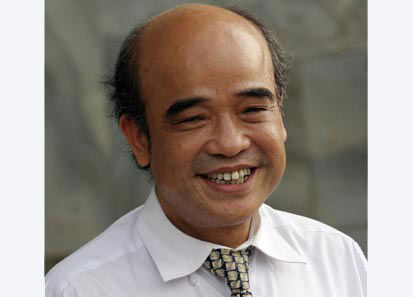
In the past, many foreign investors invested in Viet Nam with real estate projects such as Ciputra and Keangnam in Ha Noi and the Phu My Hung New Urban Area in HCM City. These projects have caused much controversy in regards to payments for land use and operational methods.

In my opinion, the purpose of calling for foreign investors is to make up for the difficulties that Viet Nam has to face, such as the current shortage of capital. In the real estate sector, the country has many advantages with land, labour and the market. We should take advantage of these things, as well as the financial resources of foreign investors.

The fact that foreign investors have been mobilising capital from the country’s people indicates that we have not been able to take proper advantages of foreign direct investment in real estate. In fact, foreign investors are using Viet Nam’s policies to make profits for their projects.

Does that mean that we have not taken advantage of the financial potential of foreign investors?

With the policy to sell housing by signing contracts before a project is complete, we can mobilise savings from those who want to buy homes. However, if this policy is applied to foreign investors, we cannot take advantage of the foreign direct investment that they should be bringing into Viet Nam’s market.

There are many foreign invested real estate projects that call for registration to buy houses in a similar way that domestic investors mobilise capital from people. Thus, we have not been able to take the best advantage of foreign investors’ financial resources.

Do you have any suggestions so that the country can take advantage of foreign investors’ financial and technological resources while remaining attractive to them?

The country should research real estate models and housing projects in other countries, which are quite different from ours. Few countries allow foreign investors to do their business directly, but rather require that domestic banks are involved. Through these banks, the control of investments and the selling process can be carried out.

In fact, many countries are using the “housing co-operative” model, a model that Viet Nam only recently applied. With the application of this model, we are able to know the purpose of the clients buying houses, like whether it is for personal use or to sell.

Meanwhile, the relationship between housing supply and demand is still irrational, affecting social welfare and security. With the market elements being pushed higher than it should be, the real estate market in Viet Nam has lost its stability because social welfare has not been ensured.

Có thể bạn cũng quan tâm

HCMC proposes PPP railway linking Thu Thiem with Long Thanh airport

Action imperative to combat climate change

Vietnam’s real estate attracts new generation FDI

Hanoi aims for 50% of office buildings to use rooftop solar power

From climate pressure to new urban mindsets

Bài trước Xây dựng văn hóa kiến trúc Việt Nam thế kỷ 21
Bài tiếp Hà Nội khởi công chung cư cao cấp Tricon Towers
Bình luận Bình luận

Bình luận Hủy

Bạn phải đăng nhập để gửi bình luận.

Ad imageAd image

Mới cập nhật

Joanna Laajisto: Nhà sáng tạo theo đuổi vẻ đẹp tinh giản và sự bền vững
Thiết kế / Sáng tạo 27/12/2025
TP.HCM bổ sung 5 tuyến metro, tăng cường kết nối với sân bay Long Thành
Tin trong nước 27/12/2025
Bảng giá đất mới có làm khó “luồng xanh” nhà ở xã hội?
Góc nhìn 27/12/2025
Khẩn trương phê duyệt Quy hoạch tổng thể Thủ đô Hà Nội
Tin trong nước 26/12/2025
TP.HCM công bố bảng giá đất áp dụng từ 1/1/2026
Kinh tế / Pháp luật 26/12/2025
Nhà máy Khóa Huy Hoàng – Dấu ấn kiến trúc công nghiệp bền vững
Giới thiệu dự án 26/12/2025
Thiết kế bếp chuẩn Việt: Hiểu đúng thói quen, sống thoải mái mỗi ngày
Nội - ngoại thất 25/12/2025
Phát triển đô thị xanh, phát thải thấp cho các mục tiêu tăng trưởng xanh, Net Zero
Quy hoạch đô thị 25/12/2025
Dulux Professional từ AkzoNobel thiết lập chuẩn mực mới về bền vững cho vật liệu xây dựng
Trang trí nội ngoại thất 25/12/2025
Nhà ở xã hội và nhà giá rẻ ở Việt Nam: vòng luẩn quẩn của chính sách?
Bất động sản 25/12/2025
- Advertisement -
Ad imageAd image

Xem thêm

News

Hanoi forum targets green energy infrastructure for smart cities

TTXVN 09/11/2025
News

A “compass” guiding Hanoi’s urban spatial development

VnEconomy 19/10/2025
News

Industrial property rising in quality

Ashui.com 12/10/2025
News

Ministry of Construction proposes qualified developers for social housing projects

VnEconomy 05/10/2025
© 2000-2025 Ashui.com. All Rights Reserved.
Welcome back!

Sign in to your account

Username hoặc Email của bạn
Mật khẩu

Quên mật khẩu?