
By using this site, you agree to the Privacy Policy and Terms of Use.
Accept
Ashui.comAshui.comAshui.com
  • Home
    • Bookmarks
    • English
      • News
      • Projects
      • Products
    • Ashui Awards
    • Giới thiệu
    • Quảng cáo / PR
    • Liên hệ
  • Tin tức / Sự kiện
    • Tin trong nước
    • Tin thế giới
    • Sự kiện
    Tin tức / Sự kiệnĐọc tiếp
    Na Uy xây dựng đường hầm dưới biển sâu nhất thế giới
    Báo Xây dựng 20/12/2025
    Phát triển kết cấu hạ tầng hiện đại tạo nền tảng cho tăng trưởng nhanh, bền vững
    Tạp chí Xây dựng 20/12/2025
    Diễn đàn Phát triển bền vững ngành xây dựng Việt Nam – VSCF 2025
    TTXVN 19/12/2025
    Hội thảo “Ngập úng đô thị, thách thức và biện pháp giảm thiểu”
    Báo Xây dựng 18/12/2025
    Định hình không gian phát triển mới, hướng tới “Kỳ tích sông Hồng”
    Tạp chí Xây dựng 16/12/2025
  • Chuyên mục
    • Kiến trúc
    • Nội – ngoại thất
    • Quy hoạch đô thị
    • Bất động sản
    • Năng lượng – Môi trường
    • Phong thủy
  • Công nghệ
    • Công nghệ mới
    • Giải pháp
    • Xu hướng
    • Ứng dụng
  • Vật liệu / Thiết bị
    • Vật liệu xây dựng
    • Trang thiết bị
    • Trang trí nội thất
    • Thị trường
  • Dự án
    • Giới thiệu dự án
    • Tư vấn thiết kế
    • Kinh tế / Pháp luật
  • Tương tác
    • Chuyên đề
    • Góc nhìn
    • Phản biện
    • Đối thoại
    • Q&A
    • Điểm đến
    • Nhìn ra thế giới
  • Cộng đồng
    • Kiến trúc sư
    • Kỹ sư
    • Thiết kế / Sáng tạo
    • Sinh viên
    • Tuyển dụng
    • Ashui Awards Tour
    • CLB Điện ảnh Kiến trúc
    • CLB Kiến trúc Xanh TPHCM
Font ResizerAa
Ashui.comAshui.com
Font ResizerAa
  • Home
  • Tin tức / Sự kiện
  • Chuyên mục
  • Công nghệ
  • Vật liệu / Thiết bị
  • Dự án
  • Tương tác
  • Cộng đồng
  • Home
    • Bookmarks
    • English
    • Ashui Awards
    • Giới thiệu
    • Quảng cáo / PR
    • Liên hệ
  • Tin tức / Sự kiện
    • Tin trong nước
    • Tin thế giới
    • Sự kiện
  • Chuyên mục
    • Kiến trúc
    • Nội – ngoại thất
    • Quy hoạch đô thị
    • Bất động sản
    • Năng lượng – Môi trường
    • Phong thủy
  • Công nghệ
    • Công nghệ mới
    • Giải pháp
    • Xu hướng
    • Ứng dụng
  • Vật liệu / Thiết bị
    • Vật liệu xây dựng
    • Trang thiết bị
    • Trang trí nội thất
    • Thị trường
  • Dự án
    • Giới thiệu dự án
    • Tư vấn thiết kế
    • Kinh tế / Pháp luật
  • Tương tác
    • Chuyên đề
    • Góc nhìn
    • Phản biện
    • Đối thoại
    • Q&A
    • Điểm đến
    • Nhìn ra thế giới
  • Cộng đồng
    • Kiến trúc sư
    • Kỹ sư
    • Thiết kế / Sáng tạo
    • Sinh viên
    • Tuyển dụng
    • Ashui Awards Tour
    • CLB Điện ảnh Kiến trúc
    • CLB Kiến trúc Xanh TPHCM
Các kênh mạng xã hội
  • Advertise
© 2000-2025 Ashui.com. All Rights Reserved.
News

Vietnam’s infrastructure boom: catalyst for real estate development

Ashui.com 30/01/2025
4 phút đọc
SHARE

An infrastructure surge is propelling the real estate market and laying the groundwork for sustainable economic growth. 

Vietnam’s infrastructure has made significant strides in recent years, with a series of large-scale transport projects underway, unlocking new and promising opportunities for the real estate market.

Key projects, including strategic expressways, Long Thanh International Airport, and urban metro lines, are playing a vital role in driving economic growth and attracting real estate investment.
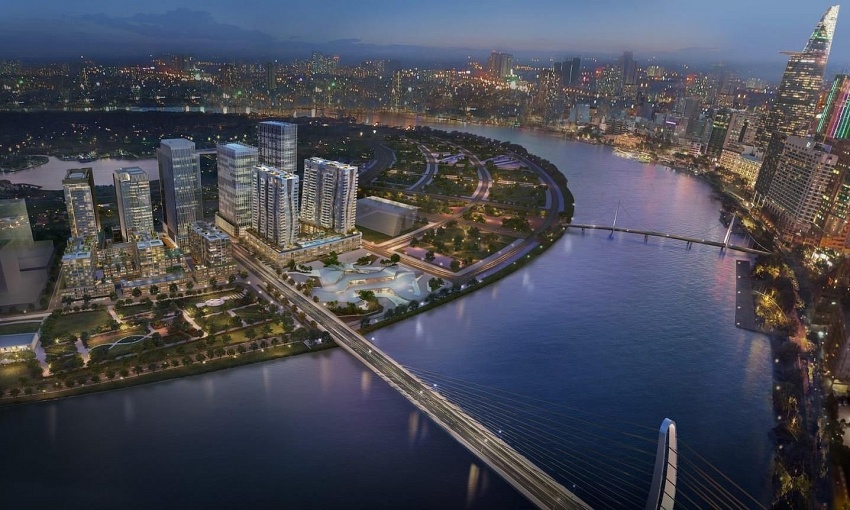

Thu Thiem 2 Bridge to raise the benchmark for The Opera Residence

The country is witnessing a transformation in its transportation infrastructure. The ambitious goal of 3,000km of expressways by the end of 2025, includes key projects such as the North-South Expressway and connections to the eastern and western regions. By 2030, the nation’s expressway network will aim to expand to 5,000km from just over 1,000km in 2020. These routes enhance regional connectivity and boost property values along critical corridors.

Huynh Thi Kim Thanh, Investment Advisory manager at Savills Vietnam said, “Major infrastructure projects like the North-South Expressway not only improve regional connectivity but also add immense value to surrounding areas, opening up new real estate investment opportunities.”

Thu Thiem, in Ho Chi Minh City, is emerging as a new urban hub with crucial infrastructure developments, including the Thu Thiem Bridges 1 and 2 and the Thu Thiem Tunnel. Future projects like the Thu Thiem pedestrian bridge and additional bridges connecting Districts 4 and 7 are set to enhance the area further. The metro line 2 extension is also expected to improve the area’s seamless connectivity.

This region is experiencing significant growth in property values, becoming a prime destination for Grade A offices, commercial complexes, and luxury apartments.

A host of real estate projects are capitalising on the infrastructure boom. For instance, Vinhomes Long Beach Can Gio, spanning 2,870 hectares, one of Vietnam’s largest coastal real estate developments, is set to break ground in 2025. Its strategic location and convenient transport links to Ho Chi Minh City make it an attractive investment.

Similarly, industrial zones like Xuan Que-Song Nhan and Cam Lien are strategically positioned near major projects such as the North-South Expressway and Long Thanh International Airport. The zones are well-placed to pull in international investment while aligning with sustainable development goals through modern, eco-friendly infrastructure.

“Infrastructure integration doesn’t just create tangible value for real estate projects but enhances Vietnam’s appeal to global investors,” Thanh said.

The wave of infrastructure projects creates immediate benefits while laying a foundation for long-term growth in Vietnam’s real estate market. Suburban and neighbouring provinces are poised to become future investment hotspots. Projects like Long Thanh International Airport and urban metro lines will generate new opportunities for real estate and the broader economy.

“The synergy of modern infrastructure and high-quality real estate projects will elevate Vietnam’s position in regional and global markets. Iconic projects such as Long Thanh International Airport, the North-South Expressway, and metro lines in Ho Chi Minh City and Hanoi symbolise progress and will continue to drive economic and real estate sustainability,” Thanh said.

2024 marks a pivotal milestone in Vietnam’s infrastructure development, paving the way for significant opportunities for real estate investors. Supported by government initiatives and international developers’ interest, Vietnam’s real estate market is expected to maintain its robust growth trajectory, heralding transformative change in the years ahead.

Nguyen Huong

(The Saigon Times)

TỪ KHÓA:Vietnam infrastructure
Bài trước “Xanh hóa” giao thông: dòng chảy đầu tư chờ cơ chế khai thông
Bài tiếp Đà Nẵng: Quản lý đô thị bằng công nghệ số
Bình luận Bình luận

Bình luận Hủy

Bạn phải đăng nhập để gửi bình luận.

Ad imageAd image

Mới cập nhật

Chiến lược ngoại giao đô thị và tầm nhìn 2035 của TPHCM
Góc nhìn 21/12/2025
Hoàn thiện thể chế, trụ cột quản lý Nhà nước ngành Xây dựng giai đoạn mới
Kinh tế / Pháp luật 21/12/2025
Chính sách giao đất, cho thuê đất trong Trung tâm tài chính quốc tế tại Việt Nam
Kinh tế / Pháp luật 20/12/2025
Na Uy xây dựng đường hầm dưới biển sâu nhất thế giới
Tin thế giới 20/12/2025
Phát triển kết cấu hạ tầng hiện đại tạo nền tảng cho tăng trưởng nhanh, bền vững
Tin trong nước 20/12/2025
Diễn đàn Phát triển bền vững ngành xây dựng Việt Nam – VSCF 2025
Sự kiện 19/12/2025
Bộ Xây dựng trả lời về nguyên nhân khiến giá bất động sản tăng cao
Bất động sản 19/12/2025
TID và Tàu SJourney – Kiến tạo hành trình văn hóa tinh tế trên tuyến đường sắt 5 sao Việt Nam
Trang trí nội thất 19/12/2025
Nghiên cứu, đề xuất giải pháp hình thành và phát triển cảng biển xanh – thông minh tại Việt Nam
Giải pháp 18/12/2025
Nghị quyết 98 (sửa đổi): Tạo không gian mới để Thành phố Hồ Chí Minh phát triển đột phá
Góc nhìn 18/12/2025
- Advertisement -
Ad imageAd image
© 2000-2025 Ashui.com. All Rights Reserved.
Welcome back!

Sign in to your account

Username hoặc Email của bạn
Mật khẩu

Quên mật khẩu?