How can Vietnam turn its TOD ambitions into commercially viable and financially attractive projects that?
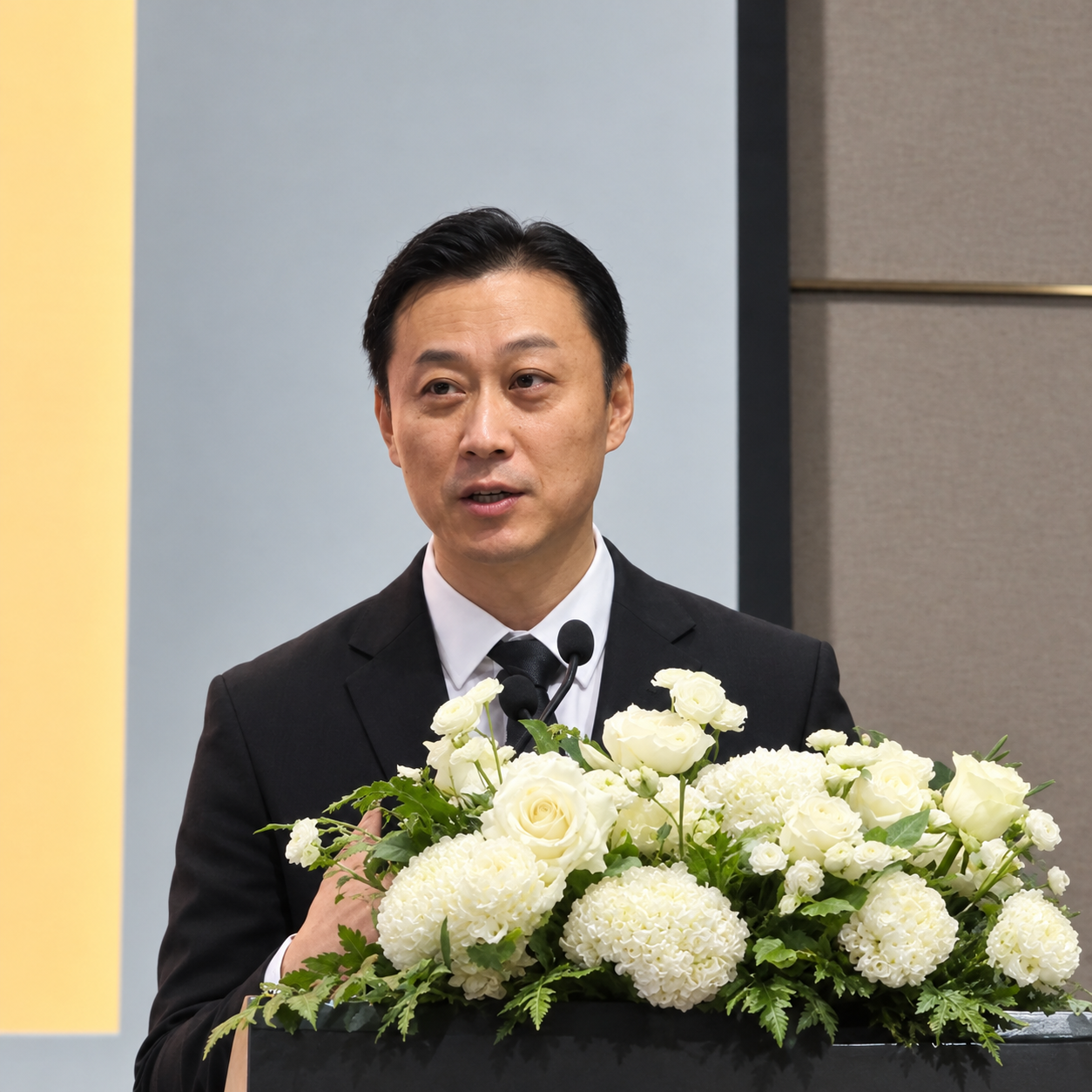
– Rail and metro expansion in Vietnam offers significant opportunities for TOD, but unlocking its investment potential will require coordinated planning, bankable projects, and effective collaboration between public and private stakeholders.
Capital follows clarity and readiness. Vietnam’s rail and metro programme creates a rare opportunity, but developers, investors, and lenders will only commit early when they can see a credible case. In our experience, five conditions make the difference.
Rail alignment, station locations, land, development rights, and supporting infrastructure should be considered as one package. Adding TOD after the railway has been designed limits what can be built and the value it can capture.
Every project must be ground in robust demand. Viability starts with a realistic view of ridership and market demand. TOD should also generate new demand. By directing future population growth and concentrating density along rail corridors, cities create the ridership that sustains the railway and the footfall that sustains development.
Certainty should be created around land and development rights. Investors need clarity on what can be developed, where, and under what conditions before they commit capital. Where that clarity is missing, it is priced in as risk or keeps capital away altogether.
Meanwhile, not every station is ready for investment at the same time. Prioritising locations where connectivity, demand, land availability and catalytic potential come together builds a credible pipeline of investable opportunities.
Clear governance and delivery pathways must be established. Government, metro authorities, developers, investors, and financial institutions need defined responsibilities and a shared implementation pathway.
When planning, land, commercial strategy, financing, governance, and delivery are aligned, TOD moves from ambition to bankable opportunity.
How can Vietnam integrate transport, urban planning, commercial development and governance to transform station precincts into distinctive, economically sustainable destinations?
– A station precinct creates lasting value when it becomes a place people choose to live, work, and spend time in, not just a place they pass through. That means thinking about the city, not only the station.
Investors and developers assess the wider economic ecosystem a network enables: where people will live, where jobs will locate and where businesses will grow. Precinct strategies should start from that bigger picture.
A multi-centre city is a necessity. Rail investment works hardest when it supports several strong centres rather than one dominant core. Balancing homes and jobs in different directions spreads travel demand across the network, keeps trains busy both ways and maximises the return on infrastructure. Each precinct then has a genuine role in the city’s economy.
Use transport as a platform for economic growth, as better connectivity attracts people and talent. That supports businesses, jobs and housing, which in turn sustains development demand around stations.
Integrate transport and land-use decisions early. Protect strategic development sites, coordinate supporting infrastructure and make sure station design enables future development rather than constraining it.
Give each location its own strategy: not every station should pursue the same outcome. A central interchange, a suburban node and an emerging growth area each need a different mix of uses, scale and phasing. That is what makes precincts distinctive and commercially resilient.
Collaboration can also be built into the delivery model. TOD brings together decisions that sit across government agencies, metro authorities, landowners, developers, investors, financial institutions, and communities. These parties need to work together from the early planning stages, with a shared vision, clear responsibilities, and coordinated decisions on transport, land, infrastructure, investment, and delivery. No single organisation can deliver a successful TOD precinct on its own.
TOD succeeds when transport, people, jobs, development, and the organisations responsible for delivering them reinforce one another. That is how infrastructure becomes a platform for economic growth, rather than simply a means of moving people.
What land-use, financing, public-private partnership (PPP) and regulatory mechanisms could strengthen investor confidence and attract early-stage investment in TOD projects?
– If I had to choose one mechanism that matters most, it would be certainty over land and development rights around the station, established early.
The reason is that investors are not really buying a metro line. They are buying the development value the line can unlock. A developer or institutional investor will ask very practical questions: What can be built around this station? At what density? On which land? And who approves it? If those answers only become clear after the line is under construction, the uncertainty gets priced into every decision. Capital either waits on the sidelines or comes in at a much higher cost.
That is why the station area should be planned as a single, integrated place from the outset, rather than as a transport project with development added later. When land use, density and connectivity are defined up front, and the path for land assembly and compensation is clear, developers can see a credible line of sight from the transport investment to demand, value creation and long-term cashflows. That is what makes an opportunity investment-ready.
Timing is the other part of this. The value of land around a station tends to be shaped by decisions made early, well before the first train runs. If rights and approval pathways are settled at that stage, the public sector is also in a much stronger position to work with private partners on how the value created is shared. Clarity on land comes first; the PPP structures and regulatory details can then be built on a solid base.
Ultimately, the aim is not simply to attract capital. It is to create certainty. Developers and investors need certainty that they can access and realise the development opportunity associated with the station, or be appropriately compensated if that opportunity cannot be delivered. Lenders need certainty that the project can move forward within a predictable timeframe and generate the cashflows needed to repay financing. When that certainty exists, capital becomes far easier to mobilise.
Ngoc Anh