
Vietnam is urbanising rapidly, but climate pressures are intensifying at the same time. How do you assess the situation from an infrastructure perspective?
Vietnam’s development story is remarkable – but rapid progress comes with complex challenges. We now face two overlapping realities.
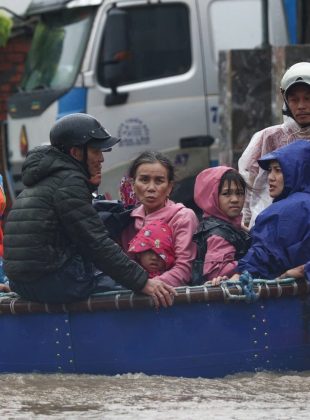
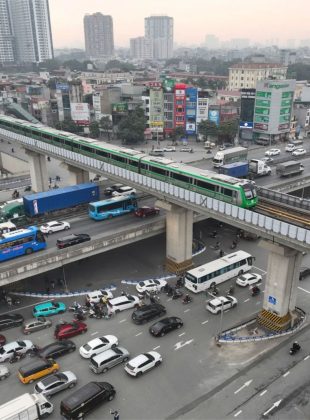
First, rainfall patterns have changed dramatically; extreme rain events are becoming both heavier and more frequent. Second, urban expansion is accelerating, with new infrastructure and buildings often designed without considering natural water flow. When these two forces meet, the result is what we see today – widespread flooding, overloaded drainage systems, and higher risks for both people and property.
This is not unique to Vietnam. Cities worldwide are confronting the same reality. But Vietnam’s speed of development makes the problem especially visible – it has become a microcosm of the global climate challenge: fast-growing, dynamic, and increasingly climate-exposed.
Are current engineering standards and urban planning practices keeping up with these changes?
Not quite. Vietnam’s building codes and urban planning standards are still based on old data and assumptions. The engineers and planners designing drainage systems today are often using standards that predate climate change as we now understand it.
If you apply outdated norms, you cannot expect to solve new problems. It is like trying to navigate a modern megacity with a 40-year-old map. The roads and weather conditions have changed completely.
But it is also about mindset. For decades, the prevailing philosophy in urban design has been to drain water away as quickly as possible. That made sense when rainfall was moderate and urban populations smaller. But now, with denser development, sealed surfaces, and extreme weather, that approach no longer works. We need to design cities that retain and reuse water – not repel it.
That is where the “sponge city” approach comes in, correct? Could you explain what that means in practice?
Exactly. The sponge city concept is a simple but transformative idea: cities should absorb and store rainwater like a sponge, rather than flushing it away. It is the opposite of what we have been doing for centuries.
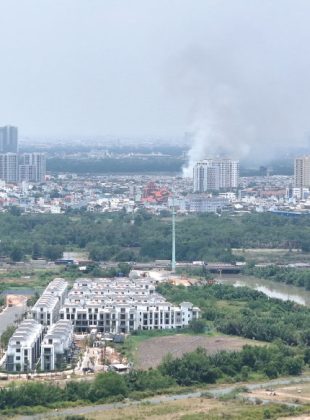
In new urban areas, for example, the goal is often to maximise profit – to fill every available plot with buildings and gray infrastructure. But if you do not keep space for water – for green areas, for wetlands, for natural retention – the city becomes completely sealed. When the rain comes, it has nowhere to go.
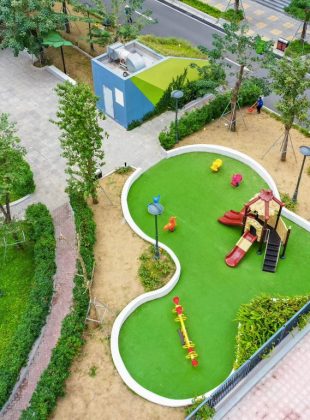
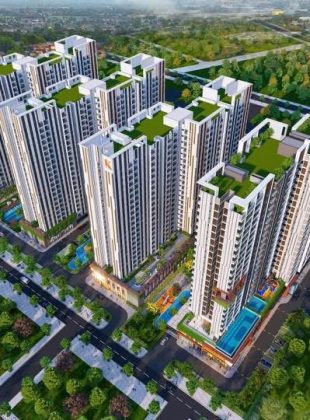
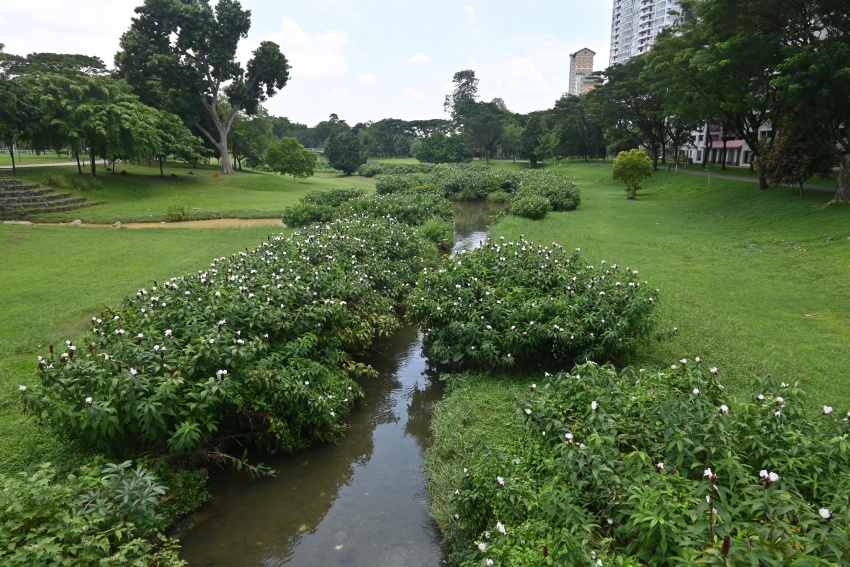
So instead, we need to design cities that behave like sponges. You retain water in the soil, you use green roofs, permeable pavements, open parks that double as flood plains, even small reservoirs. This is how you manage extreme rain events. It is called living with water – not fighting it. By slowing, retaining, and reusing water, you reduce flood risk, recharge groundwater, and create healthier urban environments.
The traditional mindset of maximising gray infrastructure – buildings, roads, car parks – leaves no space for water to go. When it rains heavily, all that sealed surface turns into run-off. The sponge city approach reverses that thinking: instead of removing water from the urban system, we design the system around water.
Some argue that technology – especially digitalisation – can help mitigate flooding risks. Do you agree?
Digital tools absolutely have their place, especially for risk management, early disaster warnings, and preparedness. They can help inform and protect people. But they do not solve the physical problem.
Flooding is a question of design and infrastructure. You can have the best warning system in the world, but if your city has no capacity to absorb water, you will still be flooded. We need both: smart systems and sustainable design.
How does Vietnam compare to regional peers that are experimenting with these solutions?
I think Thailand is a few steps ahead in mainstreaming the concept. Their government and ministries are already aware of blue-green infrastructure and have piloted it in several cities. More importantly, they are now creating legal frameworks to integrate it into national urban planning.
That is an important lesson for Vietnam. Here, awareness is growing quickly, but the next step is institutionalisation – embedding these ideas into planning codes, investment frameworks, and public procurement. Without that, implementation remains sporadic.
International development banks such as the Asian Development Bank are already supporting Thailand to scale up these approaches nationally. Vietnam can leverage similar partnerships to scale up sustainable infrastructure – but it must first make the commitment clear at the policy level.
Given the scale of investment required, how realistic is it to implement sponge city solutions in Vietnam’s major cities?
Infrastructure dealing with water – wastewater, stormwater, drainage – is always expensive. We are talking about major earthworks, concrete, landscaping. These are long-term projects, not something you can fix in a few weeks.
Private investment can play a role, but the economics are challenging. These projects do not yield immediate returns; a green corridor does not generate profit overnight. That is why international development banks and climate finance mechanisms are essential.
There are other mechanisms, such as international climate funds, but their capacity is limited. We are talking about hundreds of millions, even billions, of dollars. The solution lies in combining public budgets, donor support, and targeting PPPs for specific components, like pumping stations or treatment facilities.
That said, not everything requires billions. Improving operation and maintenance of existing drainage systems – clearing blocked sewers, maintaining pumps, training local operators – can make a real difference in the short term. Long-term transformation, however, demands coordinated strategies, legal reform, and investment partnerships.
To dive deeper into sponge cities, blue-green infrastructure, nature-based solutions, and Vietnam’s sustainable urban future, I would invite everyone to join the conversation at the Green Economy Forum (GEF) 2025.
| The Green Economy Forum (GEF) 2025, hosted by EuroCham Vietnam, will take place on November 27 at the Melia Hanoi Hotel. The event will feature a multiple session with high-level government leaders and business representatives, nine thematic conferences, three technical workshops, and an exclusive networking evening. With the theme “Shaping Changes, Building Futures”, the forum is designed to foster constructive dialogues between business leaders and innovators to advance Vietnam’s green transition. |
Bich Thuy