Economic growth over the next decade will be heavily concentrated in Asia, driven by core fundamentals such as a young population, rapid urbanization, and a global shift in manufacturing, according to a Savills analysis of 245 global cities.
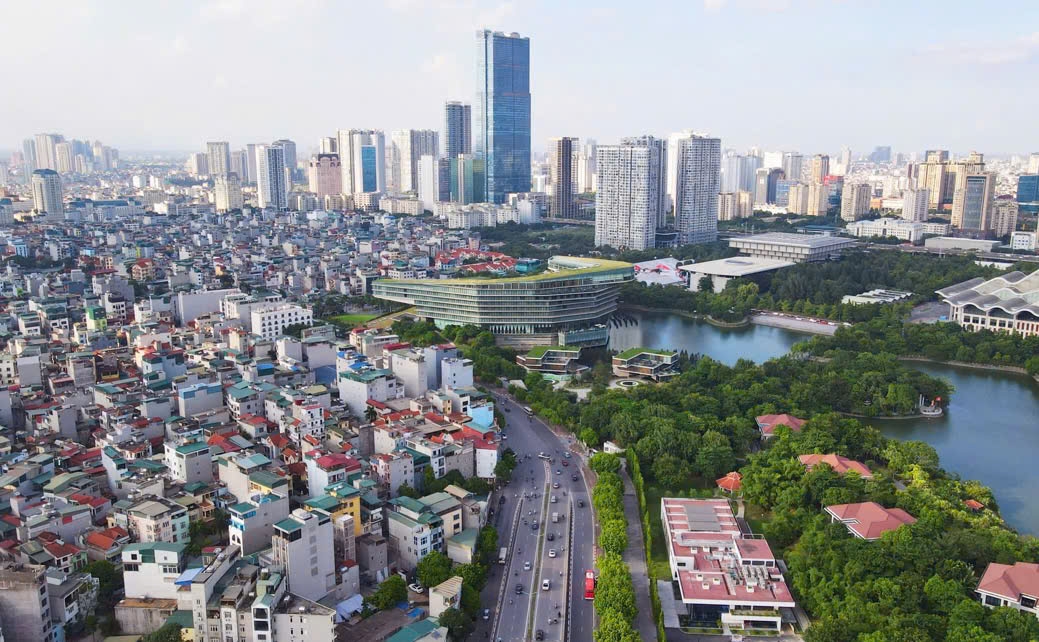
Most notably, Vietnam has secured a prominent presence in the rankings, with Ho Chi Minh City and Hanoi ranking second and fifth globally in the Growth Hubs Index, respectively. The inclusion of the nation’s two largest metropolises among the top global leaders not only reflects their robust growth potential but also underscores Vietnam’s evolving role within regional value chains.
Mr. Chris Marriott, CEO of Savills Southeast Asia, noted that a young demographic is providing a powerful impetus for regional economies. A plentiful labor force, rising consumption, and accelerated urbanization are driving demand across various real estate segments, ranging from industrial and logistics to residential and mixed-use developments.
Furthermore, the “China+1” strategy continues to accelerate the migration of manufacturing to emerging markets, with Vietnam emerging as a premier destination. The steady influx of foreign direct investment (FDI) is not only bolstering the manufacturing base but also creating a spillover effect on the real estate market—particularly in Ho Chi Minh City and Hanoi, which serve as the country’s primary hubs for infrastructure, labor, and consumer demand.
However, Mr. Marriott cautioned that rapid growth alone does not guarantee long-term appeal. Reports on “Resilient Cities” indicated that established global leaders such as New York, Tokyo, London, and Seoul all share a common ability to balance economic expansion with quality of life, while continuously investing to enhance their overall competitiveness.
Thanh Xuân