
Hà Nội architectural works in 1954 – 1986 period are also considered a valuable heritage, which for many decades were overlooked and forgotten.
Hà Nội City, with a huge treasure of cultural heritages, is an attractive destination for domestic and foreign tourists. In all those treasures there are many unique architectural works that need to be awakened to create an increasingly attractive and unforgettable urban appearance.

The Hà Nội Opera house was build in 1901. (Photo: dantocmiennui.vn)
Along with the natural landscape and traditional culture of thousands of years of civilisation, architectural works are one of the factors that attract tourists to the Hà Nội capital.
In any country, the architectural work has its own language.
Not only does it show the creative of people, the architecture is carries the imprints of the era expressing cultural and religious meanings, reflecting the geographical and climatic characteristics of the region where the work is built.
According to architect Nguyễn Quốc Tuân, from the Việt Nam Architecture’s Association, Việt Nam doesn’t have many large buildings, but its architecture is rich in variety and type, showing the tradition and cultural identities of Vietnamese ethnic groups.
Architectural relics are physical and spiritual evidence of history and culture reflecting human life and behavior with nature and society.
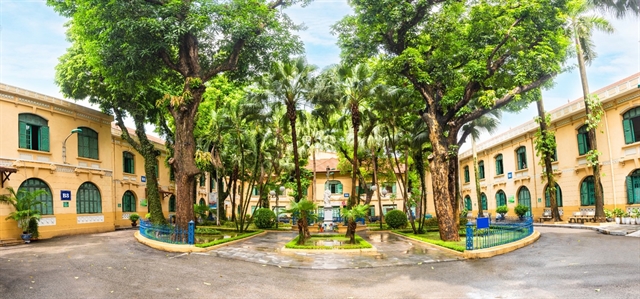
Saint Paul Hospital build in the French colonial is one of the first hospitals in Indochina. (Photo: thanglong.chinhphu.vn)
Hà Nội’s cultural history is marked through layers of architectural works across different periods. Besides the traditional architecture that has existed for years such as communal houses, pagodas, temples and shrines for example, there are a number of architectural works in a western style built by the French in Hà Nội in the early years of the 20th century.
French architects meticulously researched typical traditional Vietnamese architecture to localise decorative details and closely arrange them in accordance with function and terrain conditions. They used materials which are suitable for the local climate and environment, thereby creating a unique Indochine style.
They built a series of buildings that Việt Nam had never previously had such as Hà Nội Opera House, the Sofitel Metropole, Hà Nội’s main station, the Việt Nam History Museum, the National Library, Saint Paul Hospital, the Hà Nội Beer Factory and the Gia Lâm Train Factory.
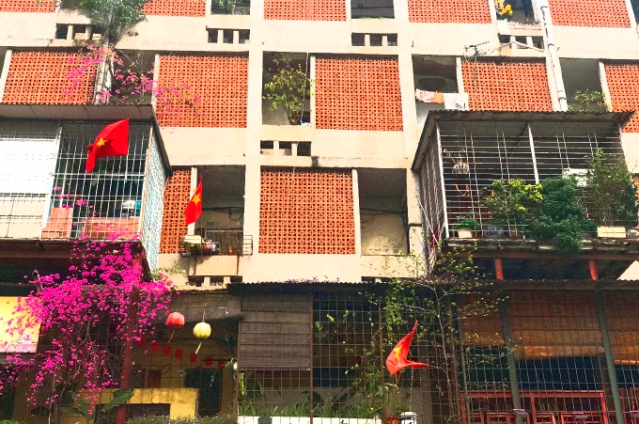
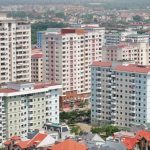
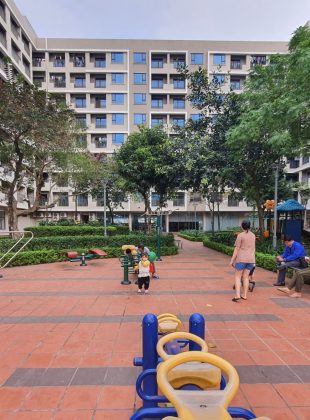
Old living quarter in Hà Nội is a symbol of socialist modernism. (Photo: thanglong.chinhphu.vn)
Hà Nội also has old villas scattering across certain streets which were made by the first Vietnamese architects. They designed the villas to combine modern and traditional culture motifs and materials, to create a harmonious vision within the overall architecture to create a unique attractive beauty for the city.
But Hà Nội architecture is not only that. The architecture works in 1954 – 1986 period are also considered a valuable heritage, which for many decades were overlooked and forgotten.
According to architect Lê Thành Vinh, former director of the Institute for Conservation of Monuments, Hà Nội has the architecture works that are symbols of socialist modernism, mirroring the architecture of the eastern bloc. They are the Hà Nội University of Science and Technology, Thủy Lợi University, the central Hà Nội Post Office, the Cultural Friendship Palace, the Thăng Long Cigarette Factory, the stadium at Hàng Đẫy and the Hà Nội Children’s Palace.
These buildings are an indispensable part of Hà Nội’s architecture, contributing to creating an identity that is both traditional and modern and clearly reflects the historical flow of Hà Nội.
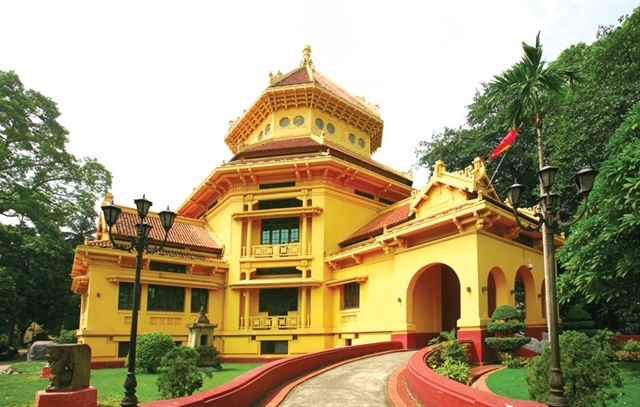
The Việt Nam National Museum of History is considered one of the exemplary structures of Indochine architecture in colonial Việt Nam. (Photo: baochinhphu.vn)
The architectural periods of Hà Nội City prove that it has the architectural heritages that preserve the city’s historical and cultural memories. Among them, many works may not have been recognised as heritage, but they are meaningful in historical, cultural and aesthetic values. Therefore, Hà Nội needs to preserve and develop these values because it is an official member of UNESCO’s Creative Cities Network.
The recent Hà Nội Festival of Design and Creative (HFDC) co-held by Hà Nội People’s Committee and Việt Nam Association of Architects did much to awaken interest in the significance of the architecture heritages of Hà Nội.
From ancient streets to modern buildings, this year’s festival’s creative design experience was a fusion of the past, present and future. Serving as key highlights, the three pavilions were designed by the architects to take viewers on an emotional journey through time.
These are not only contemporary architectural works but also ‘bridges’ connecting generations within the thousand-year-old capital, promising a unique and profound experience for visitors.
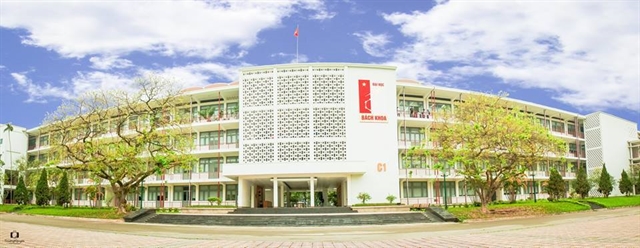
Hà Nội University of Science and Technology was build in 1956. (Photo: Hà Nội University of Science and Technology)
The Việt Nam National Museum of History, formerly the Louis Finot Museum of the École française d’Extrême-Orient, is considered one of the exemplary structures of Indochine architecture in colonial Việt Nam. Designed by architects Ernest Hébrard and Charles Batteur, it stands as one of the seven heritage sites along the ‘Creative Intersection’ axis of the festival this year.
Each pavilion carries its own unique message, all aimed at honouring heritage, inspiring creativity and shaping the future. The combination of contemporary architecture and historical space in the pavilions also reflects Hà Nội’s sustainable development trend – where tradition and modernity intertwine and blend.
To sustainably preserve architectural heritage, it needs to awake the design concerns of the past, not merely bring it into focus at special events.

Hà Nội Children’s Palace was build with the architecture style of the eastern bloc. (Photo: sovhtt.hanoi.gov.vn)
At the HCDF 2024’s seminars on architecture, experts affirmed that the architectural works of the French colonial period as well as the subsidy period are a special urban asset that Hà Nội City needs to have a long-term strategy to gradually exploit reasonably and effectively.
The number of architectural projects revived is only a few compared to the city’s available heritage.
According to Tuân, architectural heritage cannot be preserved as relict sites. “It is necessary to zone to protect heritage, but it is not an absolute ban on development,” he said.
The architectural stages of formation and development create a seamless cultural and historical flow in which each period has its own unique values contributing to the overall picture of the city of Hà Nội and helping create diversity and beauty.
(VNS)