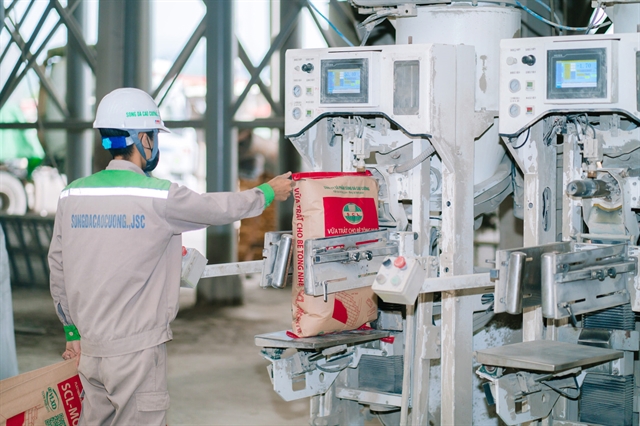
Việt Nam boasts abundant resources like wood, bamboo, and straw for green construction materials, but the market’s development remains sluggish due to high costs, an absence of industry standards, and limited public awareness of the environmental benefits these materials offer.
As climate change intensifies and natural resources face gradual depletion, the construction industry worldwide is turning to green materials to reduce greenhouse gas emissions, save energy, and minimise environmental pollution. Việt Nam, with its abundant natural resources, is well-positioned to join this global shift, experts say.
According to Phạm Đức Nhuận from the Vietnam Institute for Building Materials under the Ministry of Construction (VIBM) Việt Nam’s rising demand for construction materials presents significant challenges in managing resources and emissions.
The country’s cement industry alone produces around 100 million tonnes annually, accounting for about 10 per cent of Việt Nam’s total CO2 emissions. Meanwhile, millions of tonnes of recyclable waste like fly ash, steel slag, and red mud remain underutilised.
Incorporating green materials in construction was no longer optional but an inevitable trend essential for sustainable development, Nhuận told thesaigontimes.vn. He emphasised that adopting environmentally friendly materials would align with international environmental standards and support Việt Nam’s emission reduction commitments.
According to Nhuận, Việt Nam’s rich reserves of wood, bamboo, and straw offer promising alternatives to traditional building materials. Innovative products such as bricks made from straw or bamboo and natural wood can serve as renewable, eco-friendly substitutes in construction.
Growing global demand for sustainable products further opens doors for Vietnamese manufacturers and exporters specialising in green construction materials. By embracing these resources, Vietnamese enterprises can advance the construction industry sustainably while tapping into expanding international markets,.
Experts highlight that Việt Nam is actively implementing policies to boost the development of green buildings and materials. Key initiatives include the Vietnam Green Materials Development Strategy to 2030 with a vision toward 2050, the national master plan, the green growth strategy, and the circular economy framework.
Additionally, the 2020 Law on Environmental Protection mandates the reuse of solid waste in construction. These policies create significant opportunities for businesses and investors in the green building materials sector.
High costs named as a major barrier
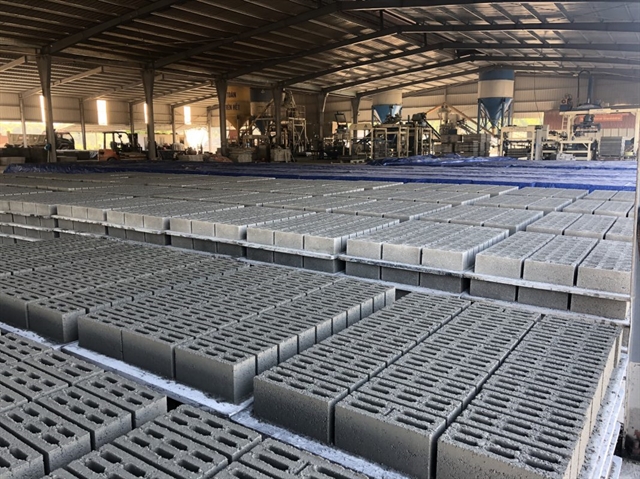
Despite a relatively complete legal framework supporting recycled construction materials, their usage in Việt Nam remains modest.
Only 30-50 per cent of recyclable materials like ash, gypsum, and red mud are currently utilised, leaving tens of millions of tonnes unused annually.
Nhuận identified four key challenges hindering the adoption of green materials, with high initial investment cost topping the list. He explained that green materials often came with higher production costs compared to traditional materials, especially in the early stages of their application. This financial hurdle made it difficult for contractors and consumers to adopt eco-friendly alternatives on a larger scale.
The lack of specific standards and regulations for assessing and managing the quality of green materials was also a key barrier to widespread adoption. While some guidelines were being developed, their absence had made implementation inconsistent and challenging.
At the same time, limited awareness among investors, contractors, and consumers about the long-term benefits of green materials, such as reduced energy consumption, improved indoor air quality, and lower environmental impact, continued to slow market growth.
Adding to the difficulty was a shortage of domestic supply. The current limited availability of green construction materials had made Việt Nam reliant on imports, driving up both costs and construction timelines.
To overcome the persistent challenges in developing green construction materials, experts are calling for stronger Government support and global collaboration.
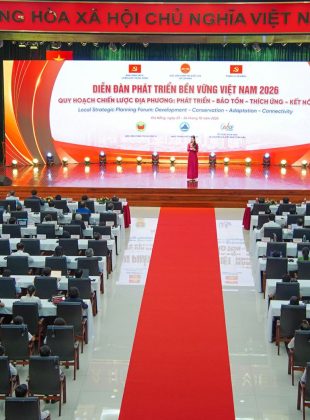
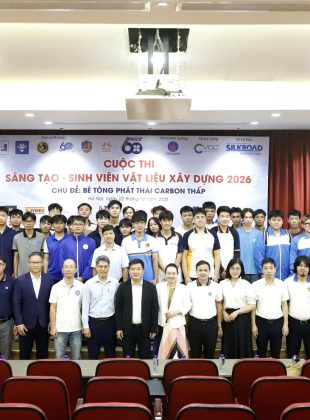
Speaking at a recent seminar in HCM City, Lê Hữu Thắng, professor of Civil/Structural Engineering at the California State University at Northridge, emphasised the need for increased financial incentives to attract private sector investment in green materials.
Thắng also highlighted the importance of promoting international cooperation with organisations such as the World Bank, the Asian Development Bank (ADB), and UN-Habitat to access funding and advanced technologies. According to him, these are urgent and necessary measures to bring green and sustainable construction models into practical use and support Việt Nam’s commitment to achieving Net Zero emissions.
Nhuận from VIBM echoed this view, recommending more innovative policy approaches. These include issuing regulations that mandate the use of a certain percentage of recycled materials in construction projects funded by the State such as roads, bridges, schools, and hospitals.
He also proposed establishing a green material evaluation mechanism in bidding processes, clearly defining the roles and responsibilities of businesses, manufacturers, and researchers, and enhancing international cooperation, particularly in developing standards and conducting life cycle assessments.
(VNS)