By using this site, you agree to the Privacy Policy and Terms of Use.
Accept
Ashui.comAshui.comAshui.com
  • Home
    • Bookmarks
    • English
      • News
      • Projects
      • Products
    • Ashui Awards
    • Giới thiệu
    • Quảng cáo / PR
    • Liên hệ
  • Tin tức / Sự kiện
    • Tin trong nước
    • Tin thế giới
    • Sự kiện
    Tin tức / Sự kiệnĐọc tiếp
    Phê duyệt Đề cương Quy hoạch tổng thể TP. Hồ Chí Minh tầm nhìn 100 năm
    VnEconomy 18/05/2026
    Đà Nẵng hướng tới mục tiêu trở thành mô hình đô thị đa cực, đa trung tâm
    Tạp chí Xây dựng 18/05/2026
    Ngành xây dựng toàn cầu lao đao vì thiếu vật liệu
    KTSG Online 18/05/2026
    Ngành nước trước áp lực đô thị hóa: Cần đổi mới đào tạo nhân lực
    Báo Xây dựng 18/05/2026
    Kiến trúc giữ vai trò trung tâm trong phát triển văn hóa Việt Nam
    Báo Xây dựng 17/05/2026
  • Chuyên mục
    • Kiến trúc
    • Nội – ngoại thất
    • Quy hoạch đô thị
    • Bất động sản
    • Năng lượng – Môi trường
    • Phong thủy
  • Công nghệ
    • Công nghệ mới
    • Giải pháp
    • Xu hướng
    • Ứng dụng
  • Vật liệu / Thiết bị
    • Vật liệu xây dựng
    • Trang thiết bị
    • Trang trí nội ngoại thất
    • Thị trường
  • Dự án
    • Giới thiệu dự án
    • Tư vấn thiết kế
    • Kinh tế / Pháp luật
  • Tương tác
    • Chuyên đề
    • Góc nhìn
    • Phản biện
    • Đối thoại
    • Q&A
    • Điểm đến
    • Nhìn ra thế giới
  • Cộng đồng
    • Kiến trúc sư
    • Kỹ sư
    • Thiết kế / Sáng tạo
    • Sinh viên
    • Tuyển dụng
    • Ashui Awards Tour
    • CLB Điện ảnh Kiến trúc
    • CLB Kiến trúc Xanh TPHCM
Font ResizerAa
Ashui.comAshui.com
Font ResizerAa
  • Home
  • Tin tức / Sự kiện
  • Chuyên mục
  • Công nghệ
  • Vật liệu / Thiết bị
  • Dự án
  • Tương tác
  • Cộng đồng
  • Home
    • Bookmarks
    • English
    • Ashui Awards
    • Giới thiệu
    • Quảng cáo / PR
    • Liên hệ
  • Tin tức / Sự kiện
    • Tin trong nước
    • Tin thế giới
    • Sự kiện
  • Chuyên mục
    • Kiến trúc
    • Nội – ngoại thất
    • Quy hoạch đô thị
    • Bất động sản
    • Năng lượng – Môi trường
    • Phong thủy
  • Công nghệ
    • Công nghệ mới
    • Giải pháp
    • Xu hướng
    • Ứng dụng
  • Vật liệu / Thiết bị
    • Vật liệu xây dựng
    • Trang thiết bị
    • Trang trí nội ngoại thất
    • Thị trường
  • Dự án
    • Giới thiệu dự án
    • Tư vấn thiết kế
    • Kinh tế / Pháp luật
  • Tương tác
    • Chuyên đề
    • Góc nhìn
    • Phản biện
    • Đối thoại
    • Q&A
    • Điểm đến
    • Nhìn ra thế giới
  • Cộng đồng
    • Kiến trúc sư
    • Kỹ sư
    • Thiết kế / Sáng tạo
    • Sinh viên
    • Tuyển dụng
    • Ashui Awards Tour
    • CLB Điện ảnh Kiến trúc
    • CLB Kiến trúc Xanh TPHCM
Các kênh mạng xã hội
  • Advertise
© 2000-2025 Ashui.com. All Rights Reserved.
News

Vietnam mulls opening ailing real estate market to foreign buyers

Ashui.com 10/08/2013
6 phút đọc
SHARE

Vietnam’s Ministry of Construction has proposed that foreigners residing in the country are given more chances to buy homes in Vietnam as part of efforts to reduce inventories in real estate sector. 

In a report sent to Prime Minister Nguyen Tan Dung late last month, the ministry proposed that organizations like foreign investment funds, banks, Vietnamese branches and representative offices of overseas companies as well as all foreigners who have a visa to the country that is valid for at least three months, are allowed to buy homes – apartments and independent houses – in Vietnam.


Diplomatic institutions, NGOs and their employees will not be allowed to purchase homes in the country, the ministry said. 
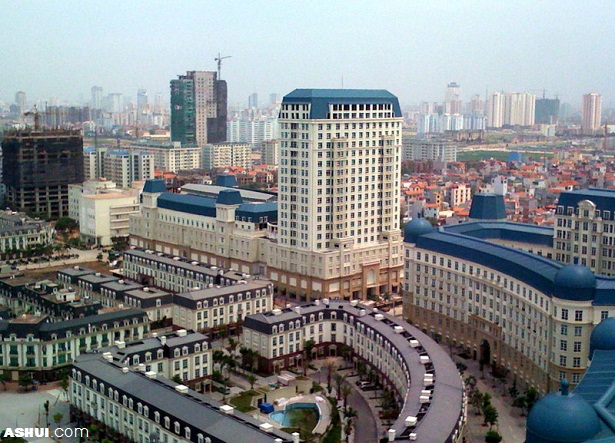
It also proposed that those foreign organizations and individuals eligible for home purchase in Vietnam are allowed to buy different types of properties, including townhouses and villas with less than 500 square meters of land to apartments. These properties can be leased if their foreign owners are not living in them. 

The houses can only be sold or given to 12 months after the ownership certification is granted to the foreigners. 

The ministry put forth two options for individual purchasers. Under one, foreigners can buy any number of housing properties, and under the other, the number will be limited to one or two. The number of houses an organization can buy will depend on the number of foreign employees it has.

The proposal also contains two options for the duration of ownership of housing properties by foreigners. The first option will allow ownership for 50 years with the possibility of a 50-year extension, or 70 years with no extension.

It, however, mentioned no proposed change in ownership duration for foreign organizations. Under current regulations, organizations’ ownership of their properties will last until their investment registration expires.

Under a law that took effect on January 1, 2009, foreigners are allowed to buy apartments, but not houses, and each individual or organization can own one apartment that cannot be leased or used for other purposes except living. The law was to be implemented on a trial basis for five years.

The law also stipulates that only five categories of foreign individuals and organizations are allowed to own apartments: individuals who invest directly in Vietnam or who are employed to management positions by domestic or foreign-invested companies in the country; foreigners who receive certificates of merit or medals from the president or government for their contributions to the country; those who work in socioeconomic fields, hold at least a bachelor’s degree or higher, and possess special knowledge and skills that Vietnam needs; foreigners who are married to Vietnamese nationals; and foreign-invested companies operating in Vietnam, except for those in real estate industry, that need to buy homes for their employees.

The foreigners should be legal residents of Vietnam and have lived here for at least one year at the time of purchasing the apartment. Companies wanting to buy residential properties in Vietnam should have their investment registrations valid in at least one more year in the country from the time of purchase.

Individuals have to sell or give their apartments to others after 50 years – the general time limit to own an apartment in Vietnam. As mentioned earlier, companies’ ownership will last until their investment registrations expire.

The current law leaves out a large number of foreigners in Vietnam who do not belong to the five categories. 

According to the construction ministry, only 126 expats and foreign organizations have purchased apartments in Vietnam as of the end of June 2013, most of them were in southern and south-central localities like Ho Chi Minh City, Ba Ria-Vung Tau, Binh Duong and Khanh Hoa Province.

Only 20 percent of the buyers are organizations, the ministry says, adding that housing prices have been too high compared to renting costs, and companies are not allowed to have their local employees live in the houses that they purchase. They are also not allowed to rent their properties, which have to lie vacant when foreign employees leave the country.

Around 80 percent of foreign individuals who have bought houses are married to locals, while another 15 percent have invested directly or are employed in management positions in the country.

Statistics from the General Department of Land Administration show that more than 80,000 foreigners live and work in the country.

Many experts and industry insiders have supported the recent proposal by the construction ministry, saying that relaxing regulations for purchase of residential properties by foreigners, if approved, will give some hope for Vietnam’s stagnant property market./. 

Có thể bạn cũng quan tâm

$2.5 bln to be invested in metro line linking HCMC and Long Thanh Airport

Construction industry at centre of the national green transformation

HCMC and Hanoi among world’s fastest-growing cities

More support from France for Vietnam’s sustainable development

HCMC accelerates emission controls as air pollution rises

Bài trước Nâng cao năng lực lập quy hoạch và quản lý đô thị
Bài tiếp CNN: 25 tòa tháp biểu tượng nổi tiếng thế giới
Bình luận Bình luận

Bình luận Hủy

Bạn phải đăng nhập để gửi bình luận.

Ad imageAd image

Mới cập nhật

Phê duyệt Đề cương Quy hoạch tổng thể TP. Hồ Chí Minh tầm nhìn 100 năm
Tin trong nước 18/05/2026
Đà Nẵng hướng tới mục tiêu trở thành mô hình đô thị đa cực, đa trung tâm
Quy hoạch đô thị 18/05/2026
Ngành xây dựng toàn cầu lao đao vì thiếu vật liệu
Tin thế giới 18/05/2026
Ngành nước trước áp lực đô thị hóa: Cần đổi mới đào tạo nhân lực
Sinh viên 18/05/2026
Phát triển bền vững không gian cư trú truyền thống của người Thái ở Tây Bắc Việt Nam: Nghiên cứu trường hợp bản Vàng Pheo
Kiến trúc 17/05/2026
Kiến trúc giữ vai trò trung tâm trong phát triển văn hóa Việt Nam
Tin trong nước 17/05/2026
Vật liệu xanh có vai trò quyết định đối với các công trình đạt chuẩn xanh
Thị trường 17/05/2026
Siêu dự án đường sắt cao tốc Bắc – Nam chọn tư vấn vào tháng 6
Kinh tế / Pháp luật 16/05/2026
Hình thành mạng lưới đô thị “đa cực” dẫn dắt tăng trưởng quốc gia
Tin trong nước 16/05/2026
Hà Nội học hỏi kinh nghiệm quốc tế về vùng phát thải thấp
Sự kiện 16/05/2026
- Advertisement -
Ad imageAd image

Xem thêm

News

Ha Tinh proposes $300 mln infrastructure project for climate adaptation

VnEconomy 22/03/2026
News

Vietnam ranks among global top 10 for LEED-certified green building projects

VnEconomy 12/03/2026
News

Disparate factors between Hanoi’s and Ho Chi Minh City’s property markets

VnEconomy 09/03/2026
News

Hanoi ranks among the world’s 50 most beautiful cities

VnEconomy 01/03/2026
© 2000-2026 Ashui.com. All Rights Reserved.
Welcome back!

Sign in to your account

Username hoặc Email của bạn
Mật khẩu

Quên mật khẩu?