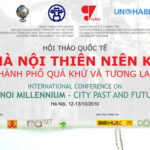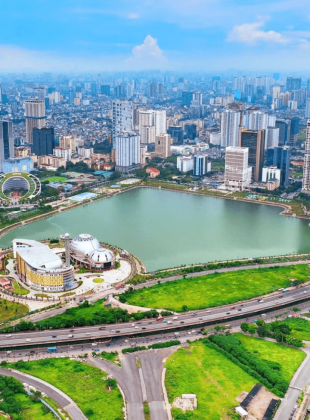
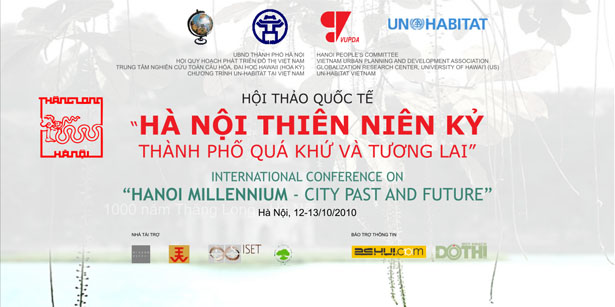
[Tiếng Việt] On behalf of the United Nations in Viet Nam, it is very much my privilege to share a few words at this important event to commemorate the millennium anniversary of Ha Noi. The conference (on “Hanoi Millennium – City past and future” – Ashui.com) touches on issues which are of great importance to us all, as we continue our efforts to build an even better capital city – for the next one thousand years!
 Four years ago when I first arrived Ha Noi, I was struck by the city’s charming colonial architecture and the bustling old quarter where hundreds of years of city traditions are kept alive. I still enjoy the green tree-lined streets, the beautiful lakes and the refined taste of Ha Noi food.
Ha Noi is rich in culture and tradition, diverse in colours and sounds and has an amazing vitality and dynamism. I think this partly explains why Ha Noi is one of just a few capital cities in the world to reach its one thousand year milestone.
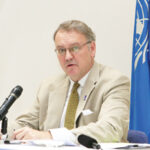
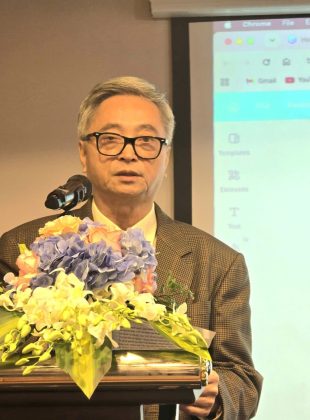
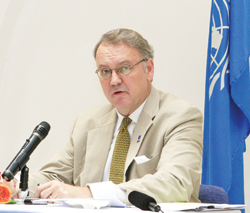
- Photo: Mr. John Hendra – United Nations Resident Coordinator
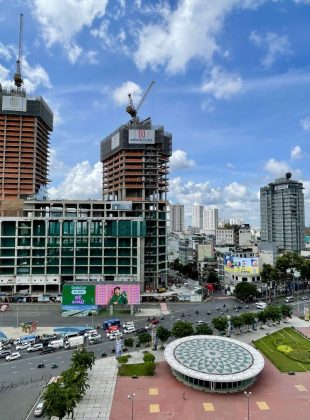
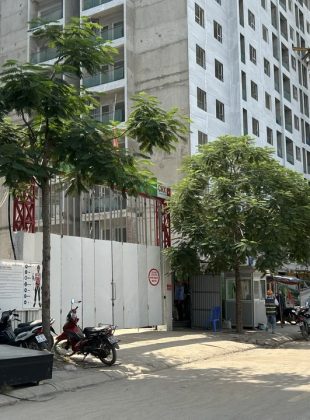
During the four years I have been in Ha Noi, I have also witnessed rapid changes around me. I am amazed with the rapid speed of construction in Ha Noi. A lot of new housing is being built and many new roads have been constructed. This benefits both the long-term and newer residents of Ha Noi. Yet many people still find it hard to afford decent housing and the expanded traffic space still falls short of the needs of Ha Noi’s growing population. And only a few new hospitals, schools, parks and playgrounds have been built.
Following the recent expanded boundaries Ha Noi is now more than three times larger than before. With a population of 6.4 million it is vital to invest in infrastructure, public facilities and quality social services. Ha Noi is also one of the most densely populated cities in the world and it is important to ensure that its residents, including children and women, do not experience overcrowded classrooms, overloaded hospitals and temporary and poor quality housing. Otherwise, this could lead to an urban divide and threaten the long-term sustainability of the city.
As Ha Noi continues to expand it is therefore important to take opportunities like today’ s Conference to renew discussions about its future urban strategy. There are many different strategies which can be pursued but let me outline just two very different urbanization scenarios.
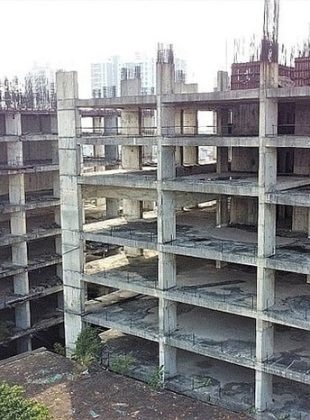
In the first scenario, the city will fail to meet the needs of its urban citizens. In such a city, many people will live in sub-standard housing and informal settlements, in poorly planned areas where they have little access to basic quality services. Many will end up as migrants, working in the informal economy, and only a minority will be able to realize their productive potential. Such a poorly planned city runs the risk of becoming a dysfunctional metropolitan.
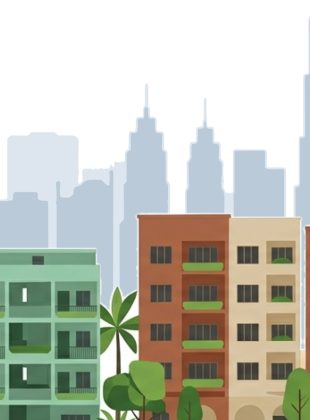
In the second scenario, urban challenges are openly debated in public policy discussions. The necessary resources for smart urban growth are available, through both public and private investments. This is the kind of city where careful and rational land use planning is in place, as well as good local governance and efficient urban management, improved access to good infrastructure and basic services, and where technology is used to manage environmental stresses. This green, sustainable city is more resilient to natural disasters and creates jobs and opportunities for its residents, provides decent shelter and helps more people out of poverty.
I am very pleased to see that with this Conference, and the dialogue and debates to come, Ha Noi’s future development seems to be at the initial stage of this second scenario.
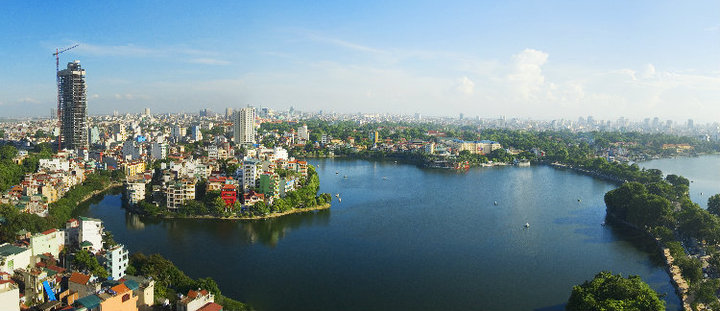
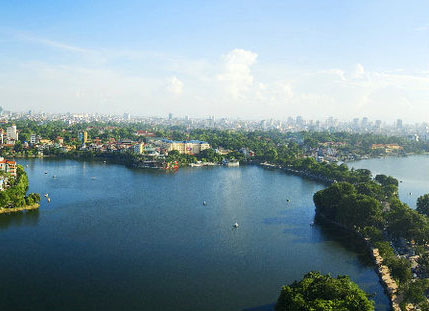
A Hanoi corner – Photo by: Nguy Ha
Ladies and Gentlemen –
As you continue your discussions on how to best build a green and sustainable Ha Noi, there are two issues which I believe are important to bear in mind.
First of all, we need to recognize that issues around urbanization are closely linked with overall national development priorities. In the past, poverty reduction efforts have mainly been directed at rural areas. However, because of their economic vitality cities can help drive further poverty reduction. At the same time, new forms of urban poverty are emerging in cities. Some low-income groups and unregistered migrants have little access to formal education and few marketable skills to integrate into the urban economy. Addressing this new challenge will require different kinds of poverty reduction strategies.
Secondly, discussions around urbanization should not be isolated from regional and global debates. With this planet’s population set to become two-thirds urban in the next two decades, the world is indeed becoming a global city, not a global village. Cities consume more than 80 per cent of global energy, generate 70 per cent of all waste and contribute to over 60 per cent of greenhouse gas emissions. This brings irreversible changes to the way we use land, water, energy and other resources and puts cities, including Ha Noi, at the centre of the climate change agenda. At the same time, the most adverse impacts of climate change are likely to be in urban areas where people, resources and infrastructure are concentrated.
Climate change adaptation and mitigation strategies should therefore not only be nationally driven, but also locally driven and adapted to population distribution and density, economic activities and infrastructure.
In conclusion, what we will be discussing today and tomorrow relates to the future sustainability of Ha Noi. But it is also about our responsibility as global citizens. The theme of this year’s World Habitat Day, celebrated last week, is “Better City, Better Life”. Indeed every city and its citizens, has both a responsibility and a right to build a sustainable urban space that harnesses the possibilities, mitigates inequalities and disparities, and provides a home for people of all cultures and ages, both rich and poor.
As the capital city, Ha Noi has for generations captured the hearts of many Vietnamese. By building a sustainable, livable and inclusive city I hope it will continue to do so for many more generations. With the high-level of participation in today’s conference I am confident we can build on existing commitments and efforts to strive for a better city for all Hanoians.
Thank you for your kind attention. I wish you all good health and happiness and fruitful discussions over the next two days.
John Hendra – United Nations Resident Coordinator